Communities We Manage
We focus on a specific set of residential property types where our model and tools make the biggest difference. Many communities we manage sit at the intersection of these categories - for example, modern new construction that is also income-restricted, or micro-housing that serves workforce residents.
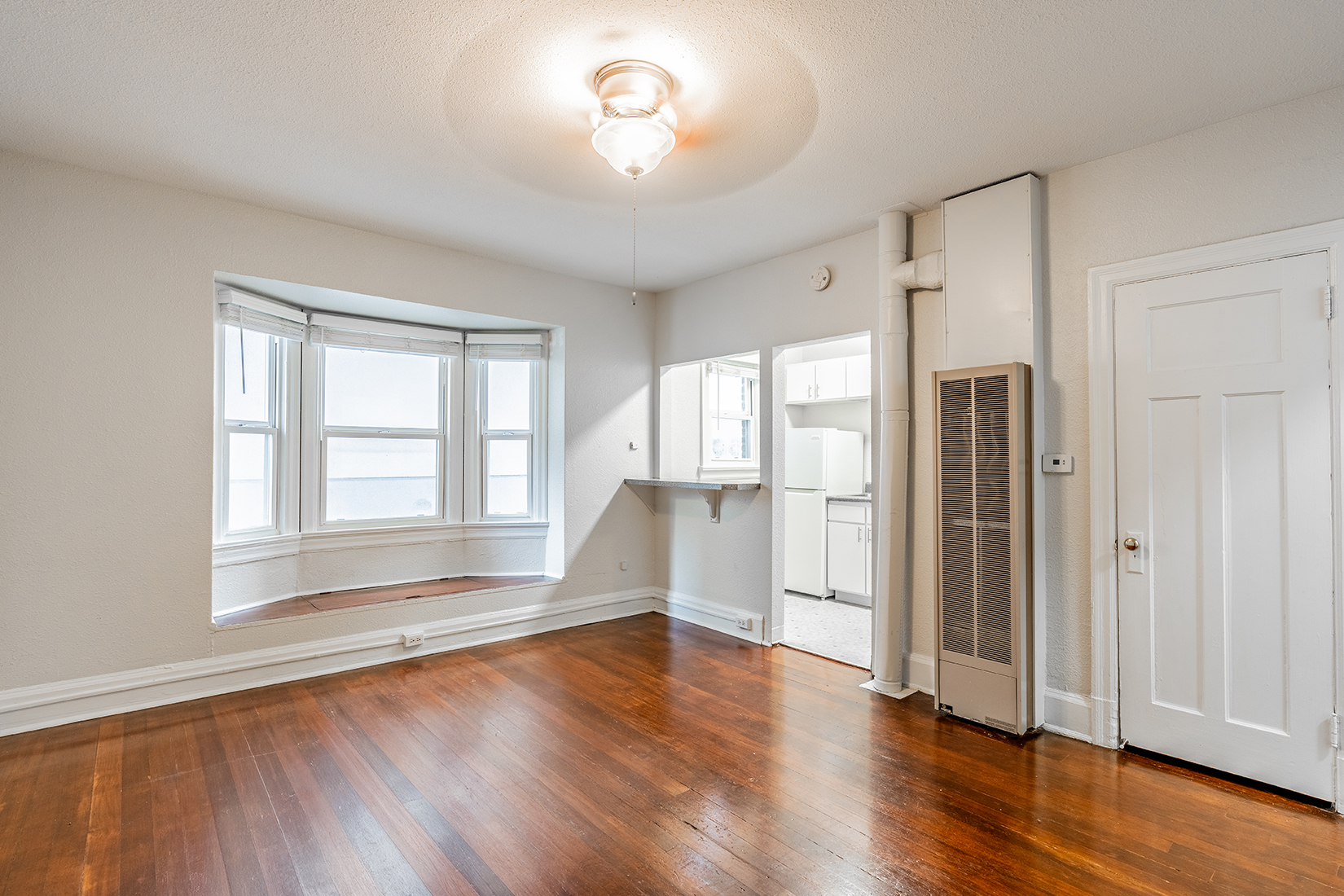
Classic Multifamily
Classic multifamily communities are the "old normal" apartment buildings that define much of the housing stock in the Pacific Northwest – typically built from the 1960s through the early 2000s. They may have aging systems, a mix of unit types, and a long history of ownership and management changes.
Common operational challenges
- Deferred maintenance and aging building systems that need a clear plan, not just reactive work orders
- Inconsistent resident files, house rules, and ledgers from prior managers
- Turnover and make-ready processes that drift over time and drive vacancy loss
- Vendor relationships that are fragmented or uncompetitive
How Arboreal manages classic assets
- We start with a deep operational and physical assessment to build a prioritized, budget-aligned plan for the next 12–24 months
- Standardized renewal, turn, and delinquency workflows to stop month-to-month decisions from eroding performance
- Clear, respectful communication with long-term residents when changes are needed
- Regular reporting that connects day-to-day work (turns, work orders, capex) to the property's long-term plan
Representative properties: Alcove First Hill , Rose City Flats
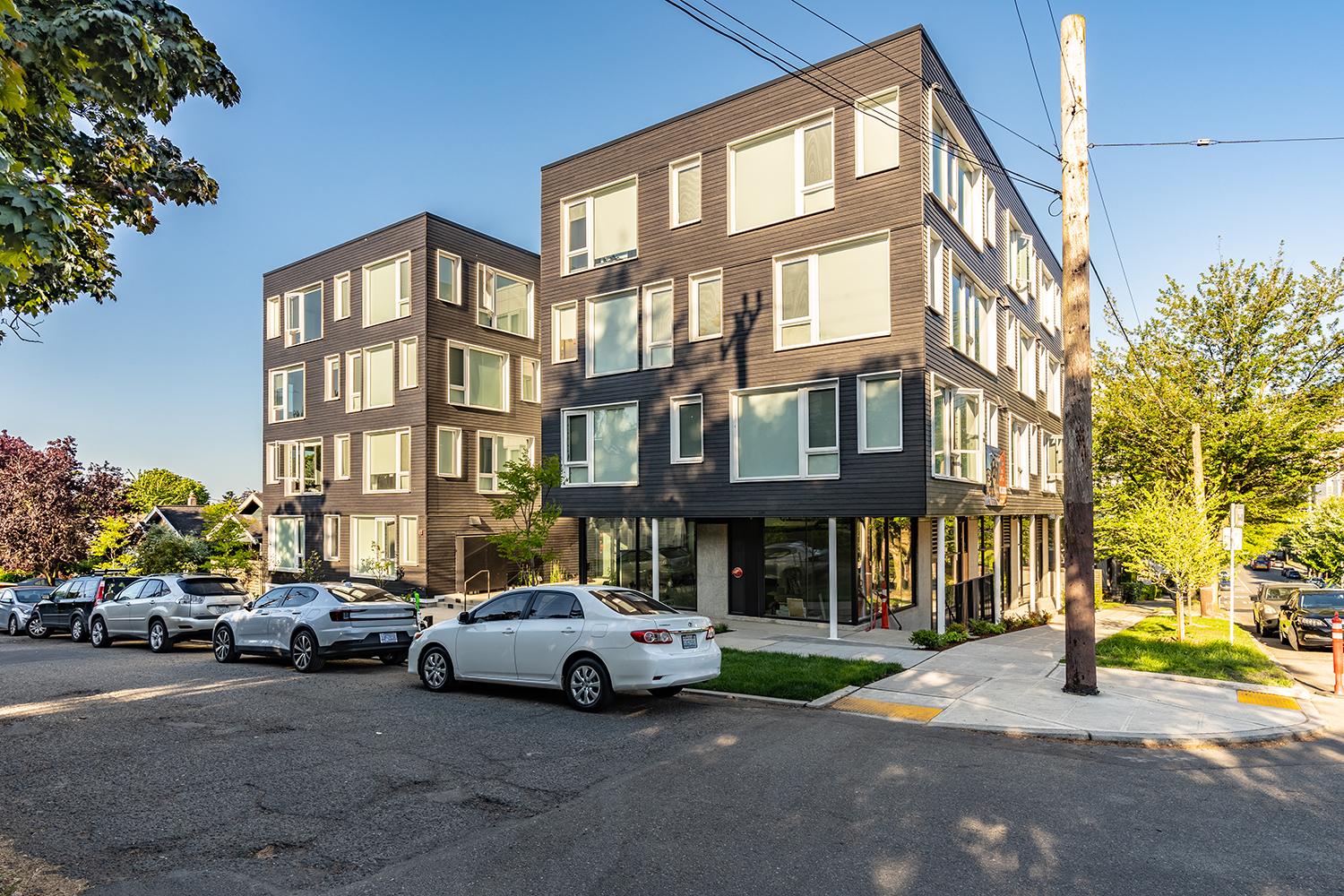
Modern Urban Communities
Modern communities are newer construction assets – midrise and podium buildings with structured parking, amenities, and sophisticated building systems. These properties often have strong branding and high resident expectations, but can struggle after initial lease-up if operations don't keep pace.
Common operational challenges
- Complex building systems (access control, parking, elevators, mechanical) that require coordination between vendors, on-site staff, and residents
- Amenity management (rooftops, lounges, co-working, fitness) with high expectations and real liability if neglected
- Turnover from the initial 'lease-up' team to a long-term management approach
- Mixed-use components (retail, live-work, short-term rentals) that add complexity to collections, communications, and reporting
How Arboreal manages modern assets
- Clean handoff from construction/lease-up to stable, process-driven operations
- Clear standards for amenity upkeep, resident communications, and service levels
- Strong reporting that separates residential, commercial, and parking performance for owners and lenders
- Use of our Maynard platform to standardize renewals, rent increases, notices, and delinquency work in a way that protects the brand
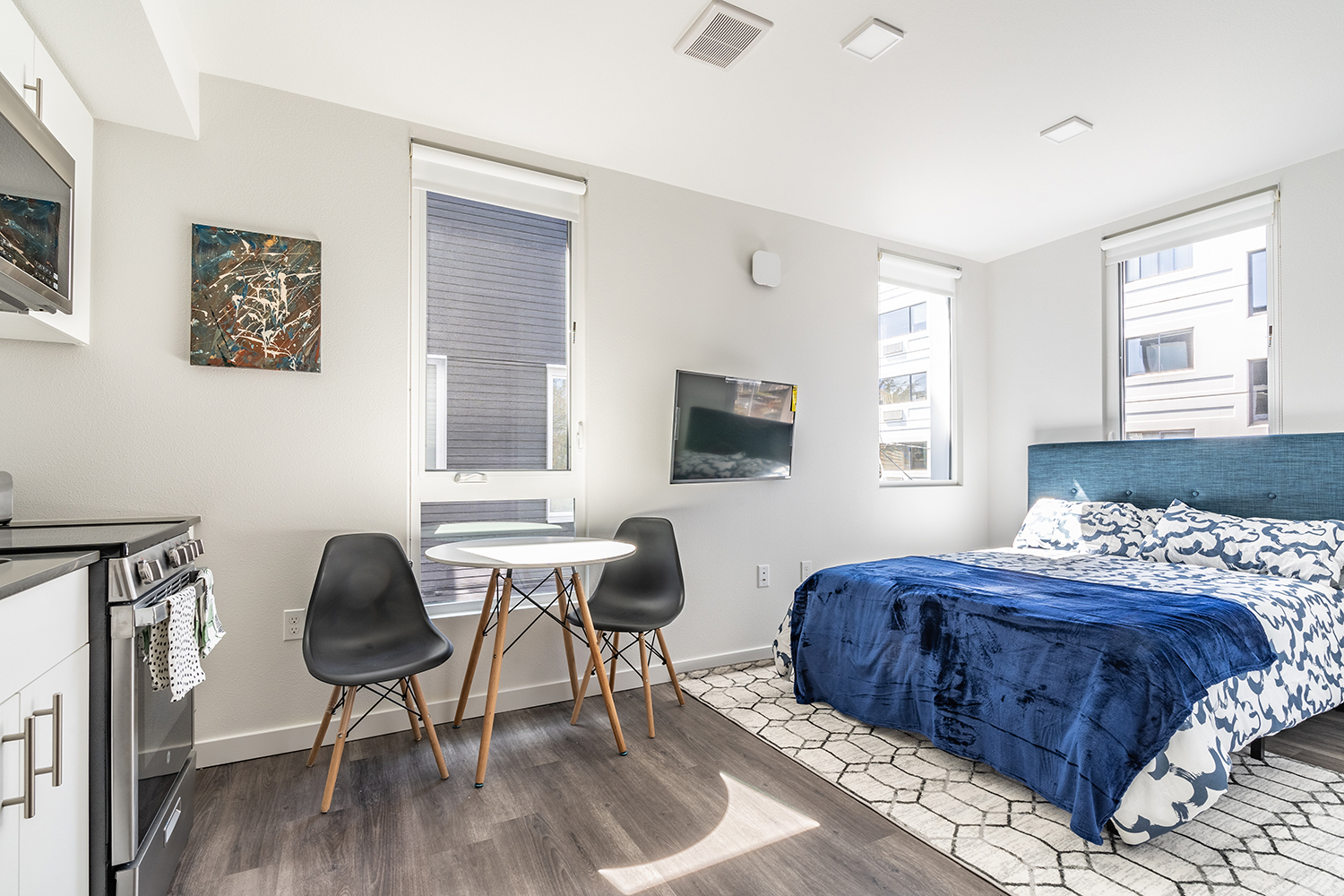
Micro-Housing & Small Units
Micro-housing – including SRO-style buildings, small efficiency dwelling units (SEDUs), and tiny studios – is an important part of the urban housing ecosystem. These communities are often highly affordable on a nominal rent basis but require very intentional management to work well for residents and owners.
Common operational challenges
- High inquiry volume and faster leasing velocity compared to traditional apartments
- More frequent move-ins and move-outs, with greater wear on common areas and shared kitchens/bathrooms
- Noise, cleanliness, and guest policies that must be enforced consistently to keep the building livable
- Reputation risk if issues aren't addressed quickly and visibly
How Arboreal manages micro-housing
- Purpose-built leasing, screening, and house-rules workflows tuned specifically for micro-housing
- Strong cleaning and inspection routines for shared spaces, backed by clear resident expectations
- Dedicated delinquency and behavior workflows that are firm, predictable, and respectful
- Data-driven pricing and occupancy management to keep buildings full without losing control of the environment
We currently manage multiple micro-housing and small-unit communities in central urban locations, including Rialto Collection and similar assets.

Affordable & Income-Restricted Housing
Affordable housing is at the core of our work. We manage communities with LIHTC, HUD project-based rental assistance, project-based vouchers, local subsidy programs, and mixed-income structures. These properties carry layered compliance requirements and close oversight from public partners and lenders.
Common operational challenges
- Complex, overlapping requirements from tax credit investors, housing finance agencies, and subsidy administrators
- Income certifications, recertifications, and interim changes that must be handled accurately and on time
- Inspection regimes (REAC, HUD, local) that require disciplined preparation and follow-up
- Communications between owners, public agencies, and residents that can break down when responsibilities aren't clear
How Arboreal manages affordable housing
- Specialized compliance staff and offshore teams dedicated to income certification, file prep, and audit readiness
- Automation through our Maynard platform to track deadlines, exceptions, and documentation
- On-site teams trained to communicate clearly with residents about income changes, paperwork, inspections, and appeals
- Proactive relationships with public agencies and investors that focus on problem-solving, not blame
We see ourselves as a long-term steward of affordable communities – balancing regulatory compliance, financial performance, and the lived experience of residents.
Types of Assignments We Take On
We excel at managing properties across different stages of their lifecycle. Our proven systems and experienced team deliver exceptional results whether you're navigating a difficult transition, launching a new community, or optimizing a stable asset.
Distressed Asset Transitions
Properties in distress need immediate stabilization and a clear path to recovery. We take on buildings with operational challenges, compliance issues, financial stress, or reputation problems—and turn them around systematically.
Why we excel:
We combine deep operational expertise with proven turnaround methodologies. From day one, we establish clear processes, rebuild vendor relationships, address compliance gaps, and restore resident confidence—all while providing transparent reporting to owners and lenders.
Lease Ups
Launching a new community requires precision, energy, and systems that scale. We manage lease-ups with a focus on velocity, quality screening, and setting the foundation for long-term operational success.
Why we excel:
Our Maynard platform automates the high-volume workflows that make or break lease-ups—applications, screening, move-ins, and resident onboarding. We coordinate seamlessly with construction teams, establish vendor relationships early, and transition smoothly from lease-up to stabilized operations.
Stable Properties
Even well-performing properties can benefit from better systems, lower costs, and clearer visibility. We take over stable assets and elevate their performance through process optimization, technology integration, and operational discipline.
Why we excel:
Our unified operating model reduces operating expenses while improving service quality. We bring standardized workflows, data-driven decision making, and transparent reporting that helps owners understand exactly how their properties are performing—and where opportunities exist.
Ready to Work Together?
Whether you own classic multifamily, modern urban buildings, micro-housing, or affordable communities, we bring the expertise and tools to help your properties thrive.
Get in Touch